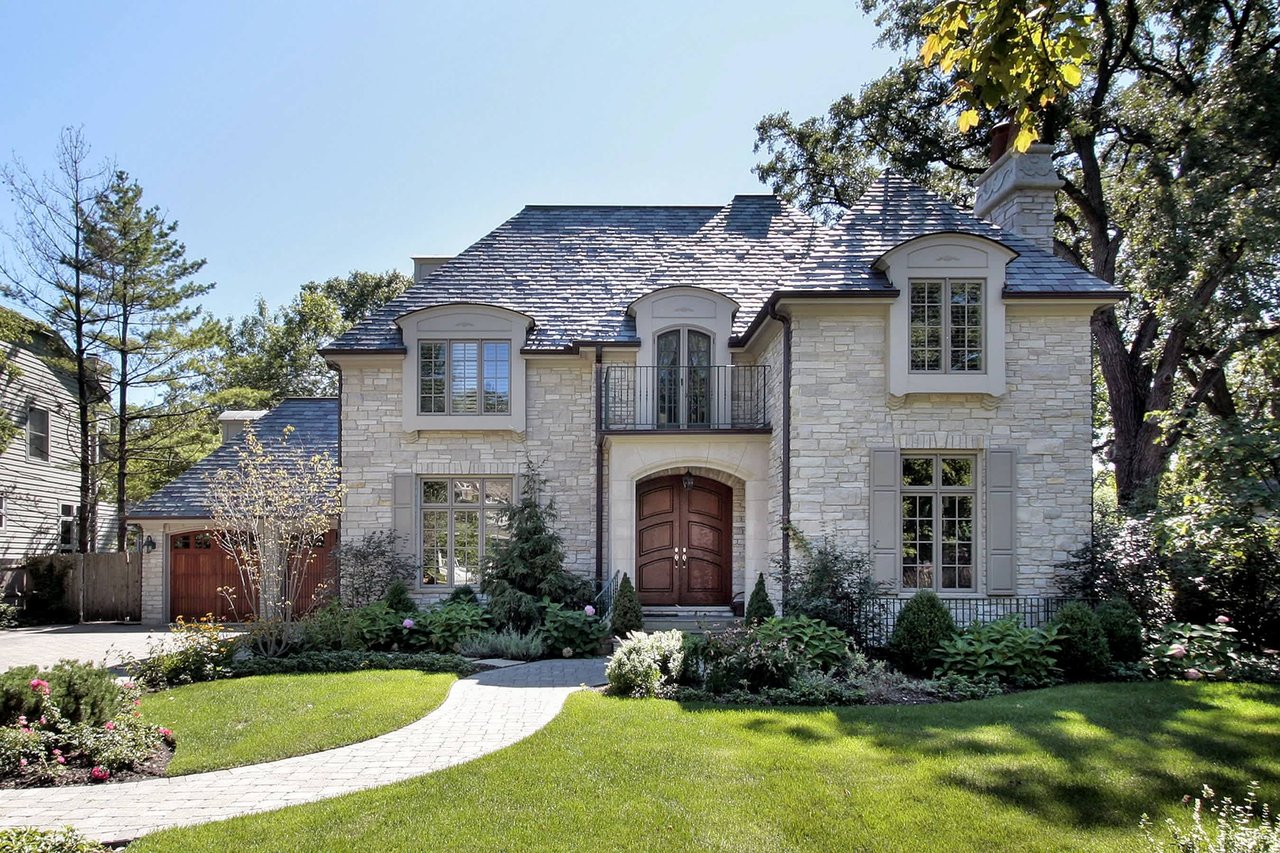
Purchasing a home is one of the most significant financial decisions you will make. It deserves a clear process, honest guidance, and someone who knows these neighborhoods well enough to help you make a confident decision.
This guide walks you through what to expect from beginning to end.
Before you look at a single property, spend time getting honest with yourself about what you need versus what you want. Location, size, style, proximity to work, schools, transit. Which of your six target neighborhoods feels right and why.
The more specific you are at this stage, the less time you waste later looking at properties that were never going to be the right fit.
A lender will tell you how much they are willing to give you. That number and the number you are actually comfortable with are often two different things.
Before you sit down with a mortgage professional, do your own homework. Map out your monthly expenses. Factor in costs that are easy to overlook: property taxes, insurance, maintenance, utilities, and in some cases HOA fees. Know what monthly payment feels manageable before someone else tells you what you qualify for.
Once you have a clear sense of your budget, talk to a mortgage professional. Pre-approval tells you what you can borrow and signals to sellers that you are a serious buyer. In a competitive market, some sellers will not entertain a proposal to purchase from a buyer who is not already pre-approved.
If there are any challenges with your credit, employment history, or financial situation, better to know now than when you are trying to move quickly on a property you want.
Buying a home in Chestnut Hill is a different experience than buying in Manayunk or Roxborough. The market dynamics, the housing stock, the block by block nuances. These are things that take time and attention to understand.
Working with someone who focuses specifically on Northwest Philadelphia means you are getting guidance that is actually relevant to where you want to be. Not generic advice that applies anywhere.
I work with a limited number of buyers at any given time. If you are seriously considering purchasing in one of our six neighborhoods, I am happy to have a conversation about whether I am the right fit for your situation.
Once we understand what you are looking for and have confirmed your pre-approval, we will begin scheduling property tours. Come prepared to pay attention to details beyond the obvious. How does the light feel in the main living areas? How are the walls, the floors, the mechanicals? How does the block feel at different times of day?
Take notes. Ask questions. Do not let a beautiful staging distract you from a property that does not actually work for your life.
When you find the right property, we will put together a proposal to purchase based on what comparable homes have actually sold for and what the current market conditions support. This is where preparation and negotiation matter.
A well-constructed proposal protects your interests and gives you the best possible position going into what may be a multi-step negotiation.
Before anything is finalized, have the property professionally inspected. A qualified inspector will evaluate the structure, the systems, and the overall condition of the home. If significant issues come up, you have options. You can renegotiate based on the findings, ask the seller to address specific items, or in some cases withdraw your proposal entirely.
Do not skip this step regardless of how much you want the property.
Return to your mortgage lender and finalize your loan. You will have options including fixed and variable rates and different term lengths. Review each carefully. Your lender should be able to walk you through the real cost differences between options so you can make an informed decision.
Your lender will order an independent appraisal of the property to confirm its value before finalizing your loan. This protects both you and the lender. If the appraisal comes in below the agreed purchase price, there may be additional negotiation required.
The closing process involves a significant amount of documentation. Your lender and title company will manage most of it. Read everything before you sign. Ask questions if something is unclear. Once the paperwork is complete and the funds are transferred, you are the legal owner of the property.